



Designing Fitness Programs for Personal Goals: Build Momentum That Fits Your Life

Define Your Destination: Personal Goals That Actually Guide Training

“Get fit” becomes “Jog 5K without stopping by June, three days weekly, keeping an average pace under seven minutes per kilometer.” Specific, measurable, and time-bound goals shape smart programming and help you celebrate real, motivating progress each week.

Define Your Destination: Personal Goals That Actually Guide Training

A quick baseline sets expectations: resting heart rate, simple mobility checks, a comfortable push-up number, and a conversational-pace walk test. These snapshots prevent guesswork and reveal the safest next steps for your personal training plan and weekly structure.

Exercise Selection and Technique That Serve Your Goals

For strength and muscle, compound lifts build efficient training density. For joint-friendly progress, use dumbbells, machines, or unilateral options. Endurance support often includes calf-ankle strength, hip stability, and anti-rotation work. Let your personal goals determine which variations take center stage.

Exercise Selection and Technique That Serve Your Goals

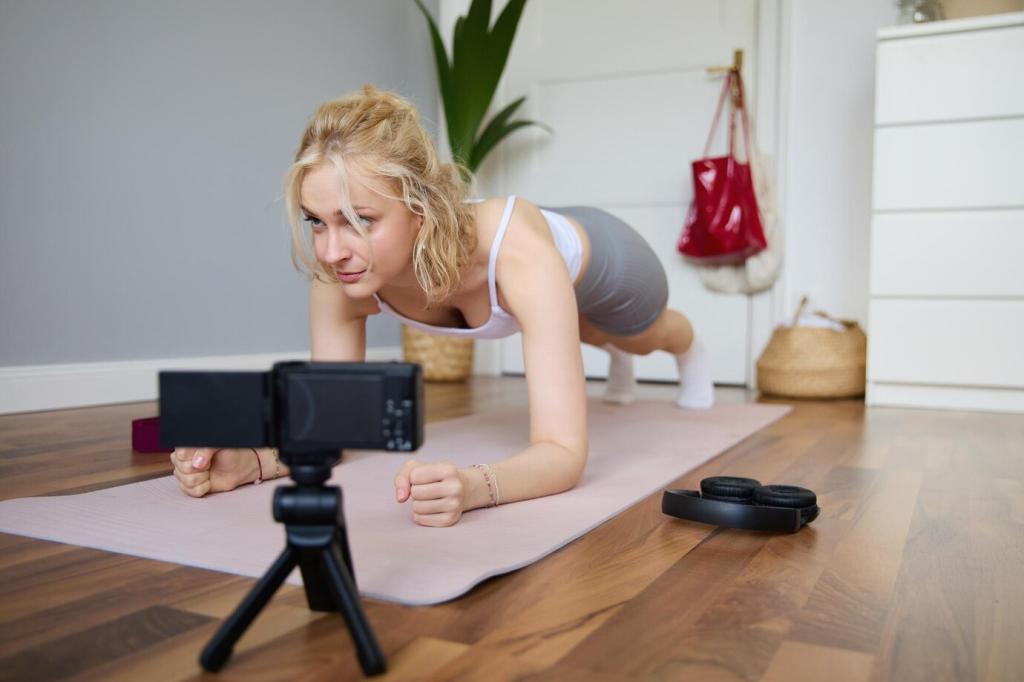
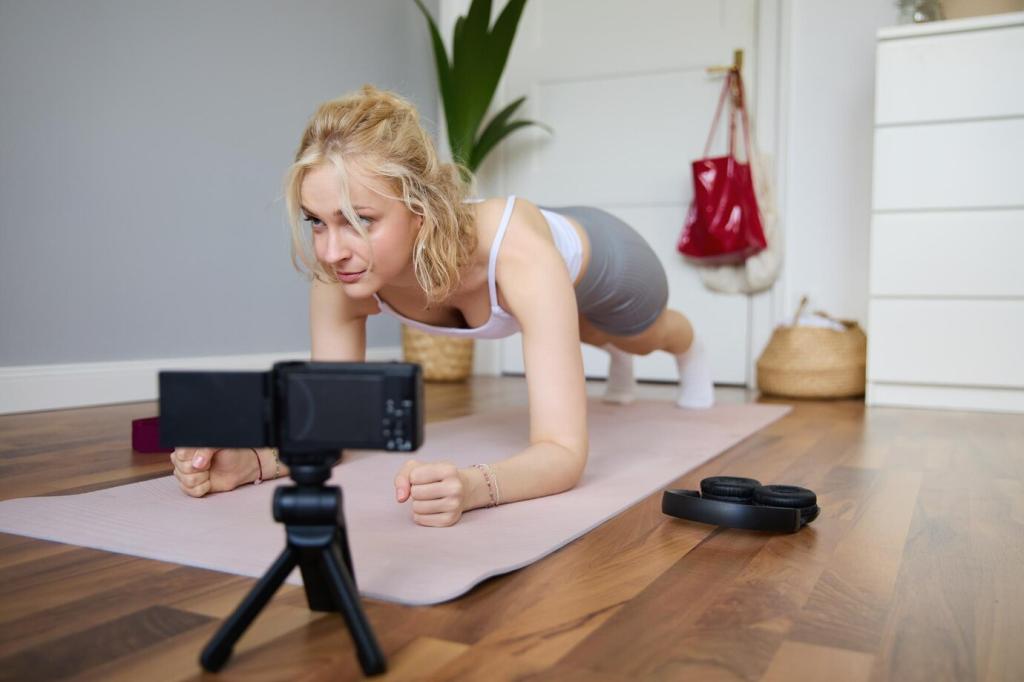
Simple cues work wonders: “ribs down,” “big toe heavy,” “push the floor,” “owns the eccentric.” Film a set, compare to a checklist, and refine one cue at a time. Precision reduces injury risk and accelerates progress toward your individualized program goals.

Monitor, Measure, Adjust: Making Data Work for You

For fat loss, trend your weekly averages, not daily fluctuations. For muscle, track rep quality, pump, and performance. For endurance, monitor pace at a given effort. Simple readiness notes—sleep, stress, soreness—improve choices inside your personal program each training week.

Monitor, Measure, Adjust: Making Data Work for You

First, verify form and sleep. Next, tweak one lever: add a set, adjust tempo, shift exercise variation, or insert a rest-pause. Reassess after two weeks. Small, controlled changes keep your personal program effective without derailing recovery or commitment.

Monitor, Measure, Adjust: Making Data Work for You

If performance stalls and fatigue rises, plan a lighter week with reduced volume. Persistent aches may signal exercise swaps. Seasonal life changes might demand a new split. Your goals remain constant while the route flexes—share your status and we’ll help recalibrate.

Mindset, Motivation, and Consistency

Identity-Based Habits Beat Willpower

Say, “I am someone who trains on Mondays,” not, “I hope to work out.” Attach cues to routines—coffee, calendar reminders, laid-out shoes. Identity anchors behavior, turning your personalized program into something you simply do, not something you endlessly negotiate.

Design Your Environment for Success

Visible equipment, prepped playlists, and supportive peers reduce friction. Set a default workout time, keep a living plan, and minimize decision fatigue. Your surroundings should point you toward action that aligns with your fitness goals, even on challenging, low-energy days.

Celebrate Small Wins, Share Your Story

First unbroken set, longer run without stopping, steadier technique—name them, note them, and tell us. Recognition reinforces the habit loop and keeps motivation fresh. Comment your latest win and invite a friend to pursue personal goals alongside you.
Punkyfoxy
Privacy Overview

This website uses cookies so that we can provide you with the best user experience possible. Cookie information is stored in your browser and performs functions such as recognising you when you return to our website and helping our team to understand which sections of the website you find most interesting and useful.