Your Path, Your Pace: Tailored Workout Routines for Individuals
Personal Inventory, Not Guesswork
Before lifting a weight, map your lifestyle: sleep patterns, work stress, movement history, and constraints. This honest inventory prevents cookie-cutter plans and helps build a routine aligned with your energy, commitments, and preferences. Comment your top constraint to get a tailored suggestion.
Smart Baselines Over Ego Lifts
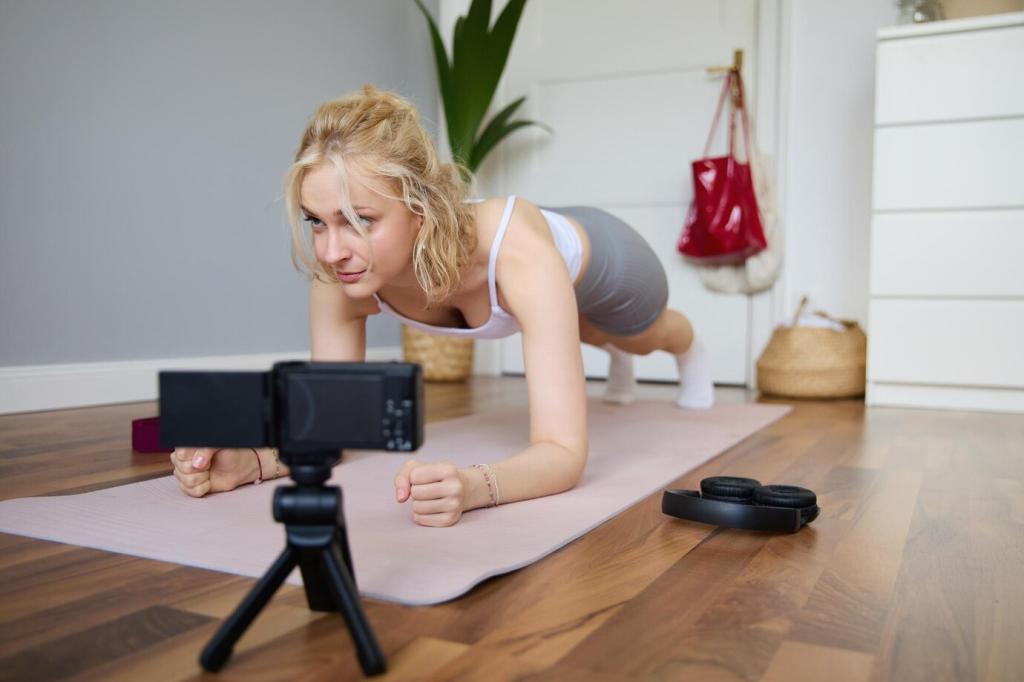
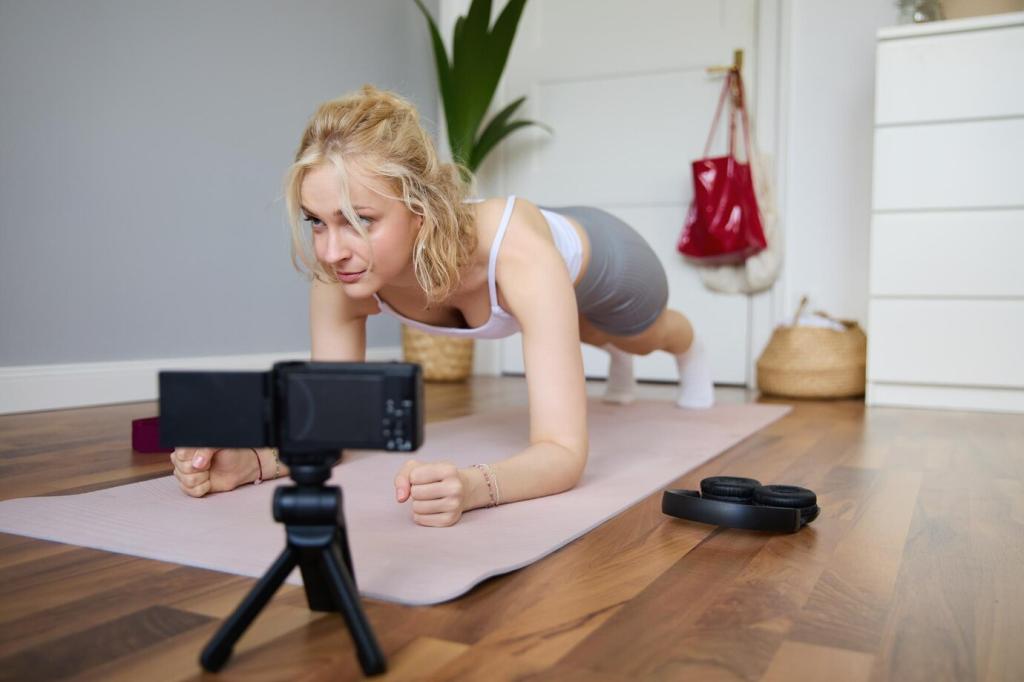
Simple assessments—bodyweight squat depth, a brisk walk test, a plank hold—establish safe intensity zones. We progress from where you are, not where you wish you were. Share your baseline results below to receive a custom next-step guide in our weekly roundup.
Tell Us Your Story
A reader named Lea rebuilt her strength after a desk-bound year by starting with two twenty-minute sessions. Her story shows that a precise start beats a perfect plan. Post one meaningful reason you want change, and we’ll help shape your first two weeks.
Goal Mapping: From First Rep to Long-Term Vision
Swap vague aims like “get fit” for concrete outcomes: pain-free stairs, a confident 5K, or lifting groceries without strain. Name yours in the comments, and we’ll suggest an achievable twelve-week arc with weekly checkpoints you can realistically hit.
Goal Mapping: From First Rep to Long-Term Vision
Break big goals into measurable steps: add one extra set, extend cardio by three minutes, or master a stable hinge. Small wins compound into confidence. Subscribe to get our milestone tracker template tailored for individual progress, not arbitrary standards.
Programming with Precision: Sets, Splits, and Recovery
Whether you thrive on full-body three times weekly or an upper/lower rotation, the best split is the one you can sustain. Tell us your available days, and we’ll suggest a schedule that balances stimulus with recovery for your exact week.
Programming with Precision: Sets, Splits, and Recovery
Tall lifter? Try trap‑bar deadlifts. Sensitive knees? Consider box squats and sled pushes. Minimal equipment? Use tempo and unilateral work. List your equipment and a sticking point; we’ll reply with two exercise swaps matched to your structure and space.
Adapting to Real Life: Scheduling, Energy, and Environment
If you have twenty-five minutes, we design purposeful density: one main lift, one accessory, one finisher. Night‑shift nurse? Early parent? Comment your time window, and we’ll craft a compact session that pushes progress without hijacking your day.
Adapting to Real Life: Scheduling, Energy, and Environment
Use a simple readiness scale to adjust sets and loads. On low‑energy days, reduce volume and focus on form; on high days, add a productive set. Share today’s energy rating, and we’ll recommend precise adjustments for your next workout.
Inclusive Tailoring: Training Around Limitations and Conditions
01
Joint‑Friendly Alternatives
If deep squats bother your knees, try goblet box squats with controlled tempo. Shoulder cranky? Landmine presses and neutral‑grip rows can help. Comment a movement that hurts, and we’ll offer two alternatives that still hit the intended training effect.
02
Medical Considerations Without Fear
Hypertension, diabetes, or postpartum recovery require thoughtful dosing, not avoidance. We tailor intensity, rest, and exercise choice to your context. Share what you’re comfortable sharing, and we’ll point you toward safe starting guidelines to discuss with your provider.
03
Confidence for Beginners and Returners
Returning after time off? Start with technique ladders and low soreness goals. A reader, Jun, rebuilt confidence using bodyweight hinges and step‑ups before loading. Tell us your comeback timeline, and we’ll map a gentle ramp that still delivers progress.
Progress You Can Feel: Tracking, Feedback, and Motivation
Record reps in reserve, weekly step averages, and sleep time. Watch trends, not single days. Post one metric you’ll track this month, and we’ll send a simple sheet tailored to your routine, so you can watch progress accumulate clearly.
Progress You Can Feel: Tracking, Feedback, and Motivation
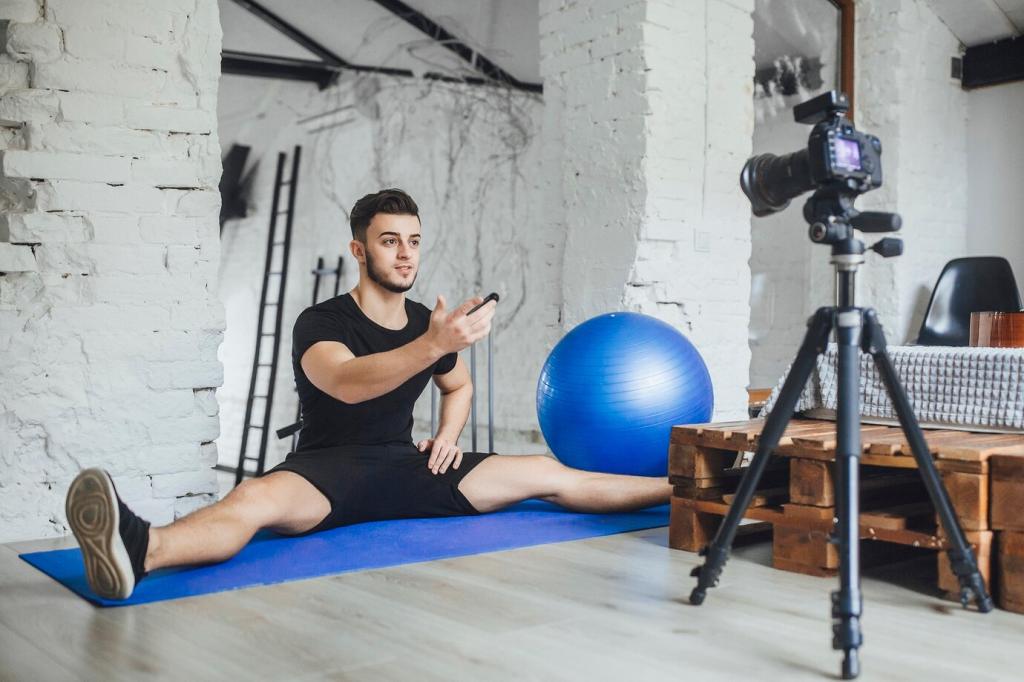
Video a single set weekly to refine technique. Small cues—neutral ribs, stable feet—compound into safer strength. Upload a form question in the comments, and we’ll share two actionable cues aligned with your body and chosen movement pattern.